A step-by-step guide to buying property in Norway
If you’re considering buying property in Norway – whether it’s a house, apartment, winter cabin, seaside cottage, holiday home or another type of property – there are a few key elements that you should familiarise yourself with first. This guide covers the essentials that you need to know.

Last updated 10 March 2026
By Sigbjørn Eliassen – EiendomsMegler 1 Norge
1. Research and preparation
First and foremost – anyone can buy property in Norway, including foreign nationals. Before you start searching for potential properties, it’s a good idea to have the following sorted out:
Financing
Make sure you have your financing in order. This can be a time-consuming process, so the sooner you get this, the better. Some – but not all – Norwegian banks offer financing and mortgage loans to foreign nationals.
Location
Although you may already have decided on a region, research different places – the housing and real estate market in Norway can vary significantly depending on the location.
2. Finding a property
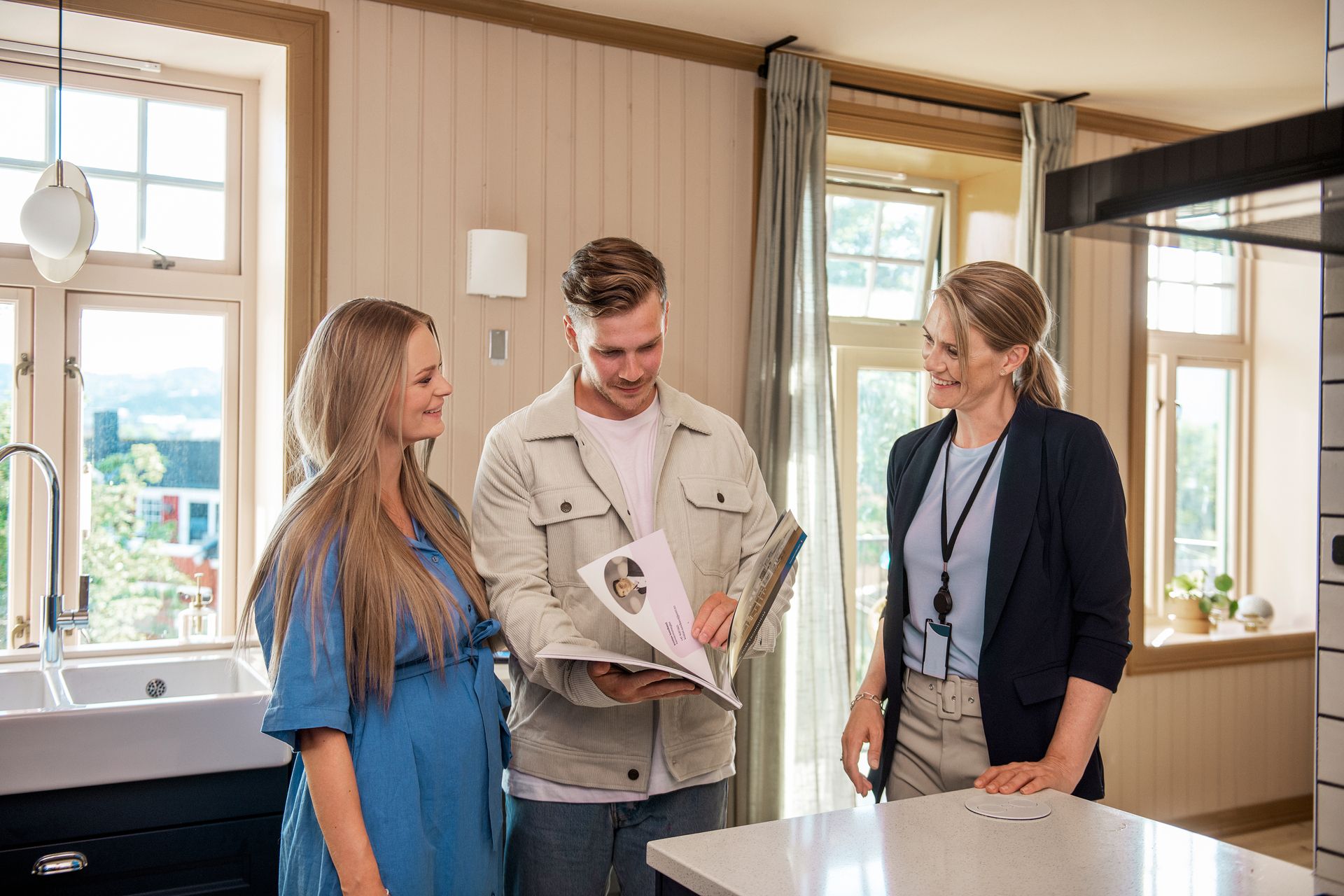
The easiest way to find properties is on websites like Finn.no, Hjem.no and EiendomsMegler1.no. A smart tip is to contact a real estate agent who can help you to navigate the market and find suitable locations and properties.
Make sure you read the property description thoroughly and review the attached condition report. The report is conducted by independent affiliates and provides the most up-to-date and accurate information regarding the property’s building integrity and any recent refurbishments.
If you’re not looking for property for permanent residence, be sure to check whether there are any residency requirements. These are usually clearly stated in the property listing.
3. Property viewing
Most properties in Norway will have scheduled viewing slots for interested parties.
However, you may be able to coordinate with the seller’s real estate agent for a private viewing at a time more suitable for you.
4. Bidding process
Once you have found a property you like, prepare to make an offer. To place a bid, your financing must already have been secured.
The earliest acceptance deadline is 12:00 noon on the first working day after the final open viewing. Be ready to act quickly and ensure you remain available throughout the bidding process.
How to make an offer
All bids must be submitted in writing to the real estate agent. The first bid must be accompanied by valid ID and proof of financing. For the remainder of the process, bids and amendments are typically submitted via text messages to the seller’s real estate agent.
In Norway, properties are usually sold to the highest bidder, but sellers are not obligated to accept – they may choose another buyer or relist the property.
Every bid is binding until it expires and cannot be withdrawn once accepted by the seller.
Negotiation
In a bidding process, terms, ownership transfer date and price are often subject to negotiation between the bidder and seller. These negotiations are managed by the real estate agent.
5. Finalising the purchase
If your offer is accepted, a sales contract will be prepared. This outlines the terms that were agreed upon during negotiations and protects both parties.
Payment
Once your bid has been accepted, your real estate agent will arrange a contract meeting between you and the seller, either physically or digitally. The sales contract will outline how the purchase price should be paid.
You must ensure that the purchase price and associated costs are available in the real estate agent’s client account by no later than two working days before the handover. The funds must be in the client account for the transfer to be completed. Please note that when you purchase a planned or under-construction property, special payment rules apply.
If you’re taking out a bank loan, your bank must ensure that the lien is sent to the agent – no later than two working days before the handover.
For the purchase and registering, you might also need a Norwegian D-number.

6. Inspection and transfer of ownership
The date of transfer of ownership is agreed upon during the negotiation process and finalised in the sales contract. On the date of the transfer, you and the seller will meet at the property for an inspection and handover.
Be sure to inspect the property thoroughly, as you cannot make claims later regarding issues that you knew or should have known about before the handover.
Remember that when you buy property in Norway, you’re protected against hidden flaws for up to five years. If you discover flaws, it’s your responsibility as the buyer to report them as soon as possible.
Moving in
After the inspection and handover, you can move in – even before your new property is officially registered as having been transferred.
Buying property in Norway can be a smooth process when you follow these steps. If you have any more questions, feel free to ask any of our real estate agents at EiendomsMegler 1.
We wish you the best of luck with buying property in Norway.